"Lest we forget" is more than a phrase recited on Anzac Day; it is a solemn duty carried across generations, a quiet vow that the sacrifices of those who served will never be allowed to fade into abstraction or drift into the distance of history.
It binds remembrance to something deeply human, reminding us that behind every name etched in stone was a life once lived in full, young men laughing with mates, writing final letters home, standing on the edge of fear and uncertainty.
Without deliberate remembrance, time dulls truth and softens sacrifice, allowing it to slip into anonymity. "Lest we forget" stands against that forgetting, demanding that memory remain sharp, personal, and alive.
Few things carry that memory more powerfully than historical photographs, moments frozen in time that collapse a century into a single glance. A soldier's steady gaze, a crowded troopship deck, a final embrace on a station platform, these are not just images; they are echoes of lives interrupted and futures surrendered. They reach through time and confront us, asking not just to be seen, but to be understood.
We carry a responsibility to pass these images on, to place them before each new generation so they can feel, not just learn, what was given.
In classrooms and at memorials, they become more than history; they become inheritance. In this way, "lest we forget" is not merely spoken; it is witnessed, carried forward, and kept alive.
The following are 44 images that should be shown in every Australian school on Anzac Day, so that we never lose sight of a simple truth: the freedoms we so easily take for granted today did not come for free. They were fought for, paid for, and secured through blood and sacrifice. That debt does not fade with time. It lives on in our obligation to remain vigilant, to value those freedoms, to respect them, and, if ever required, to stand ready to defend them.
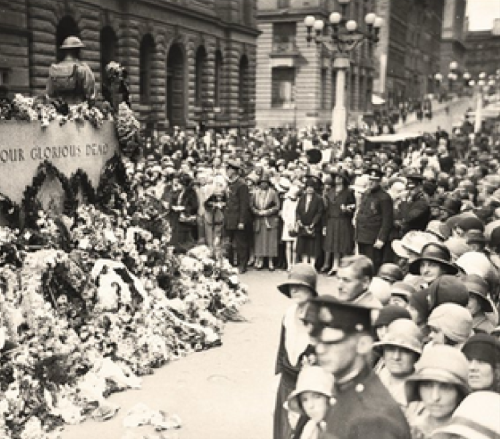
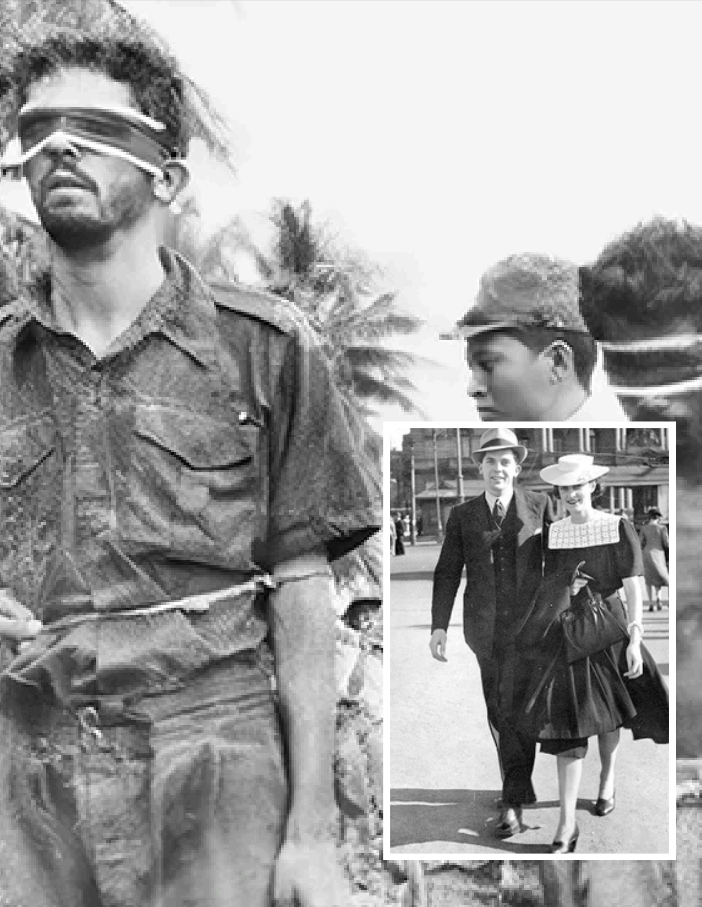
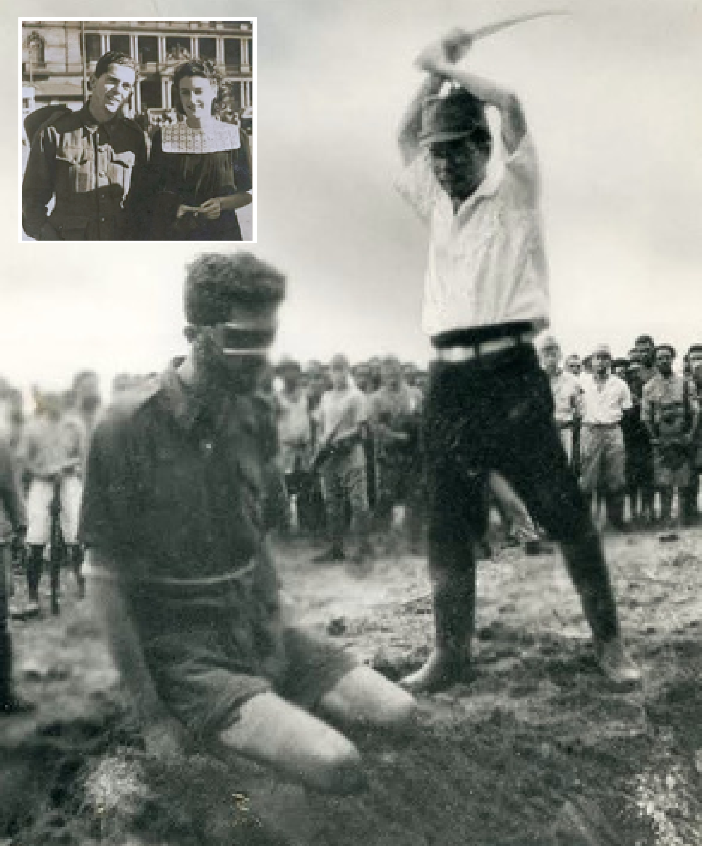
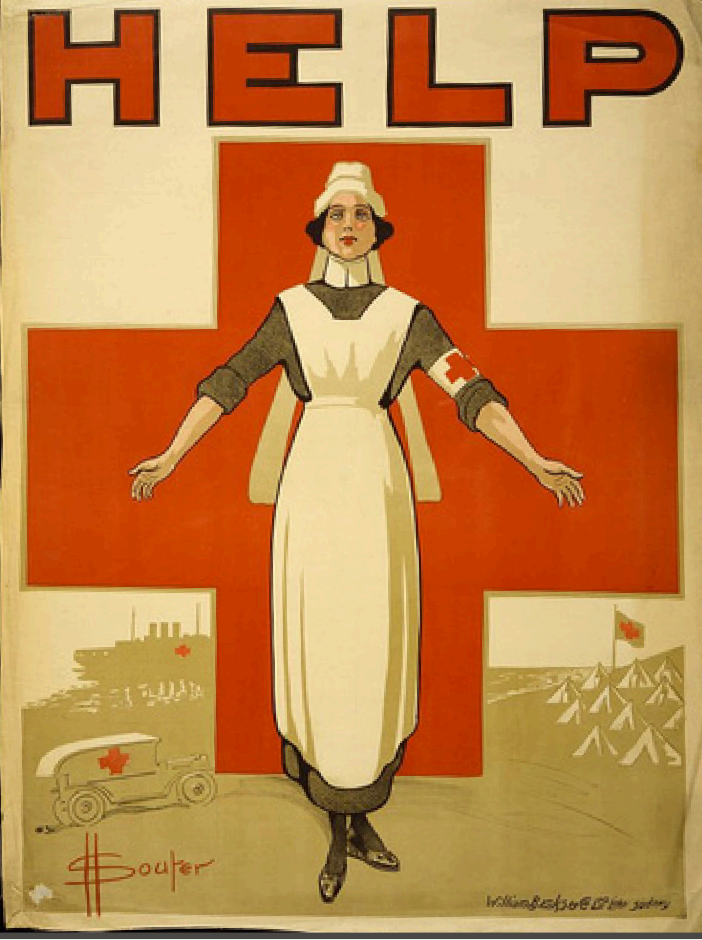
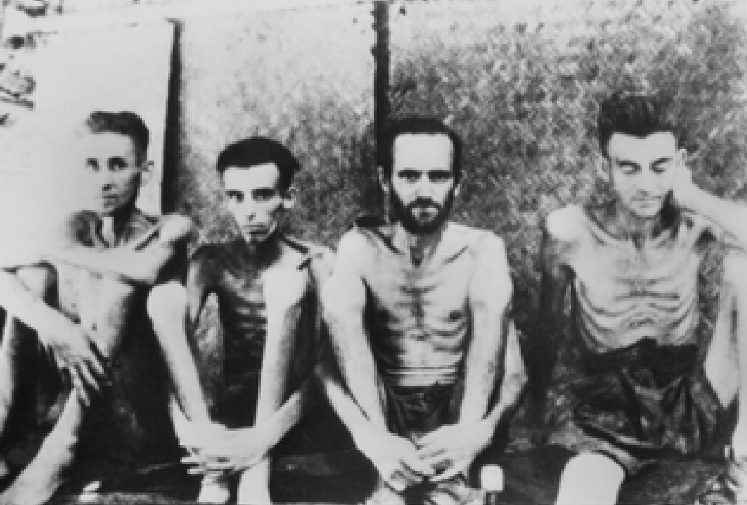
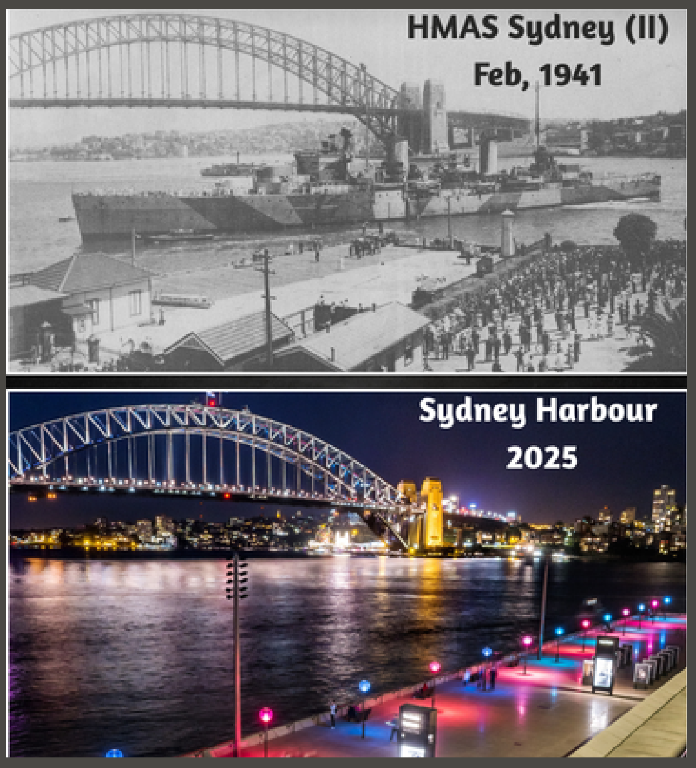
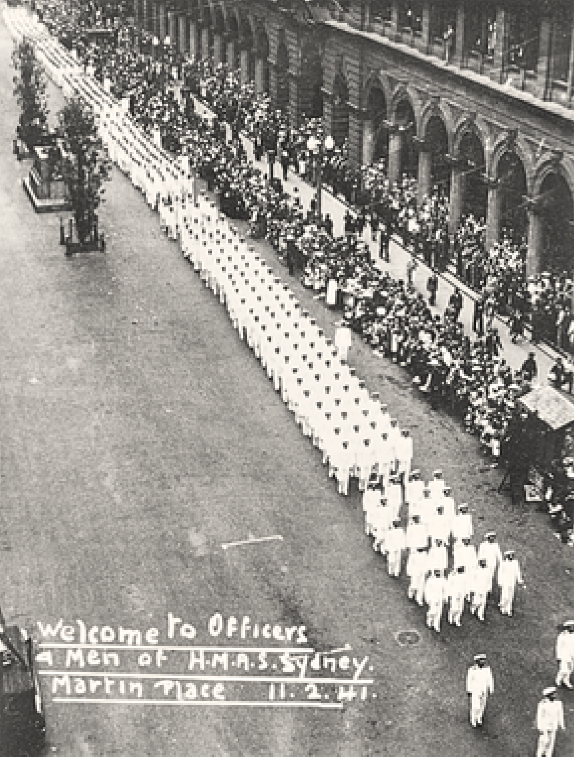
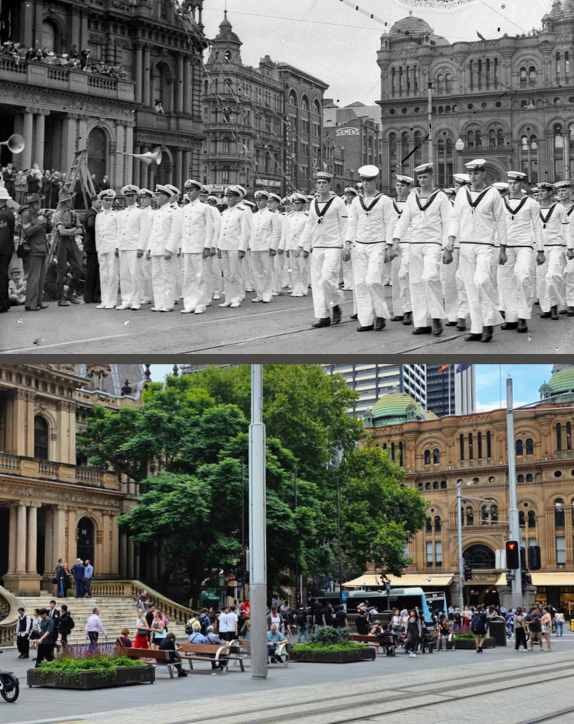
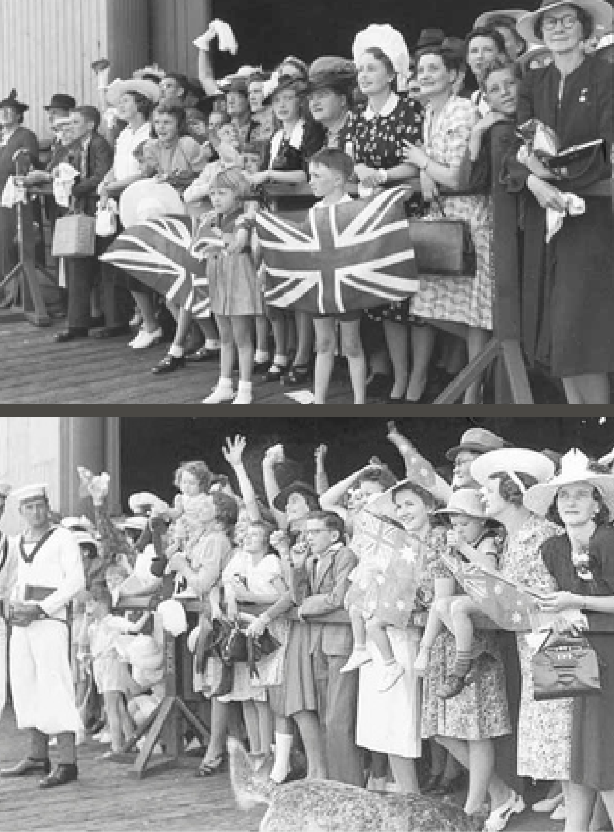
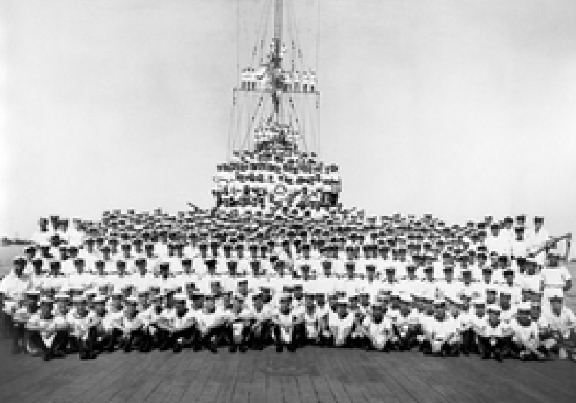
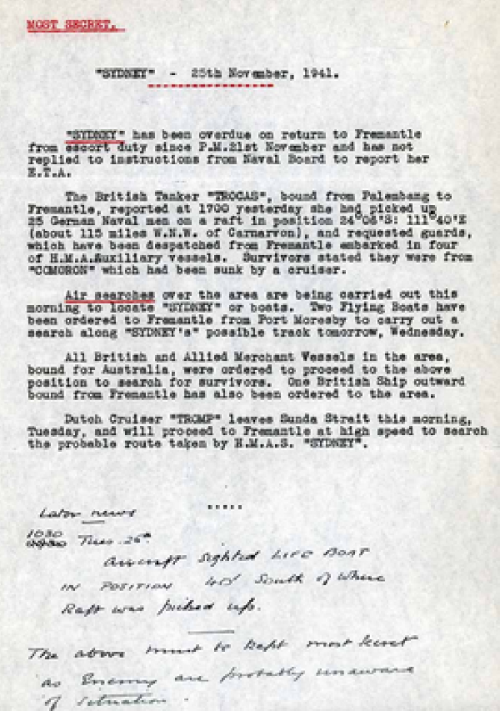
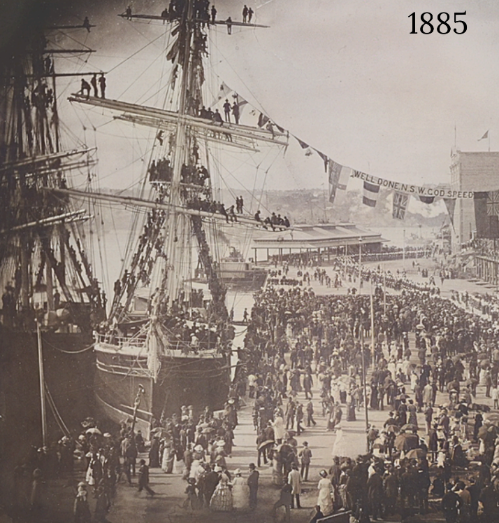
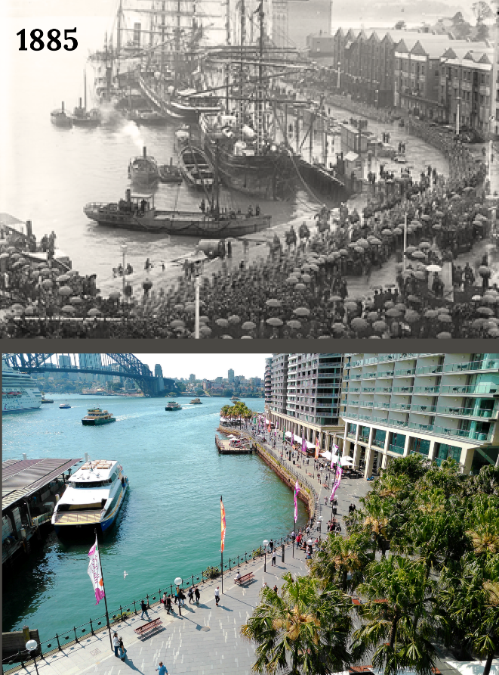
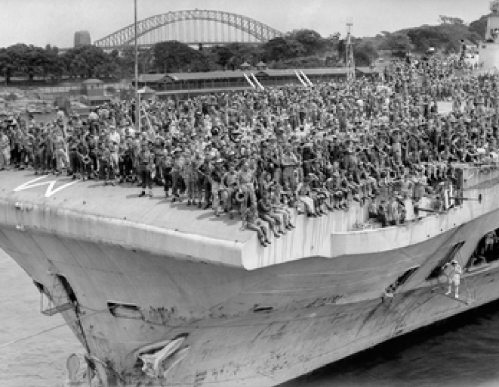
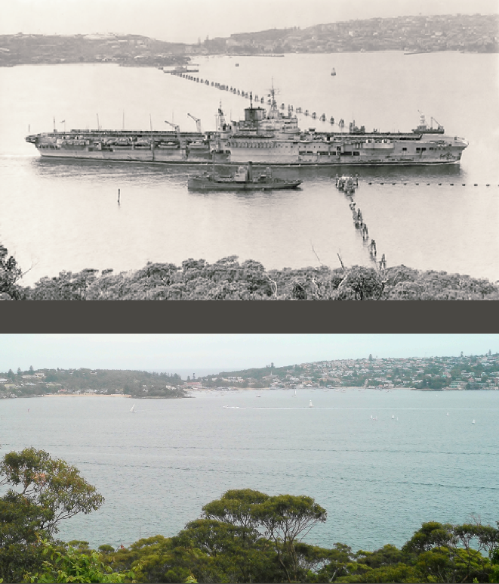
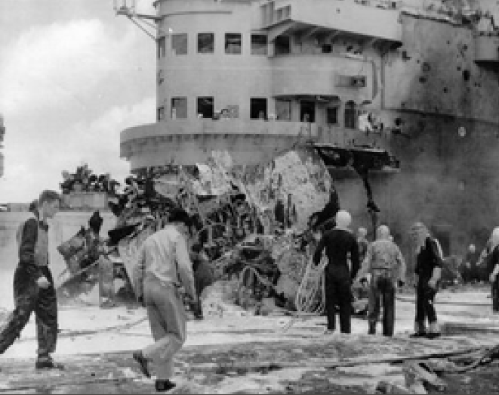
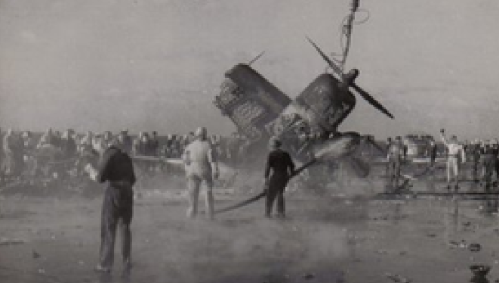
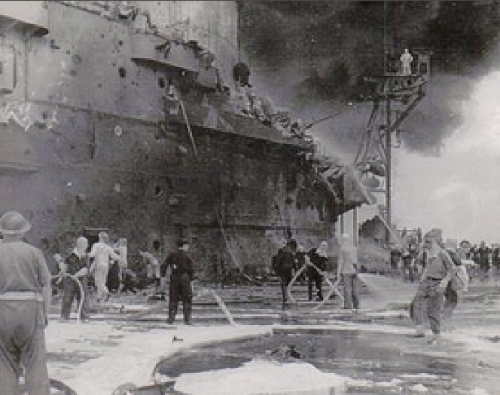
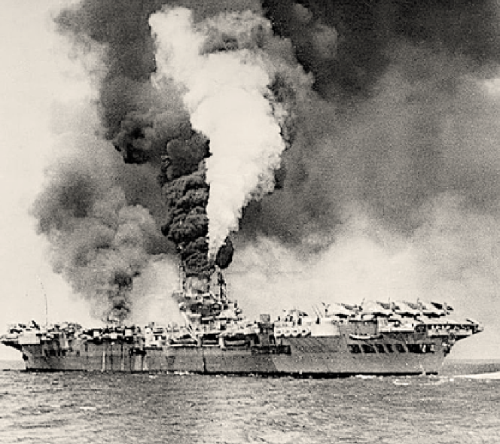
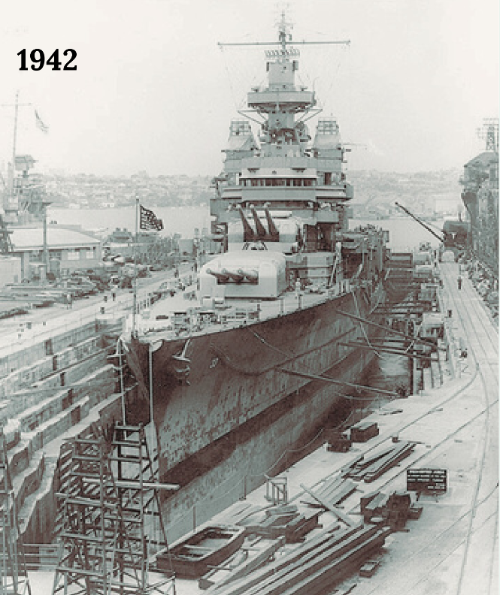
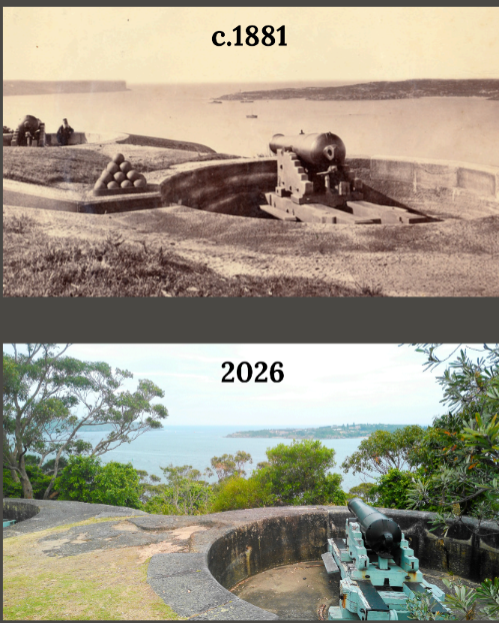
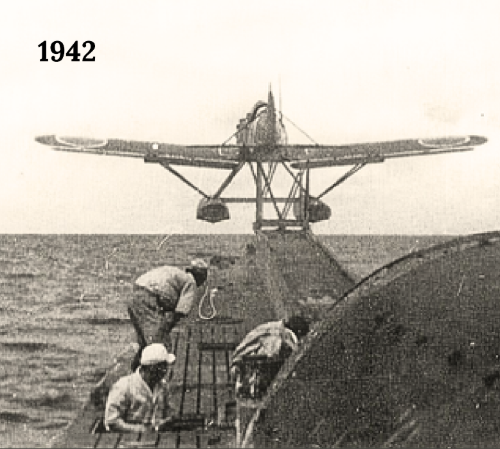
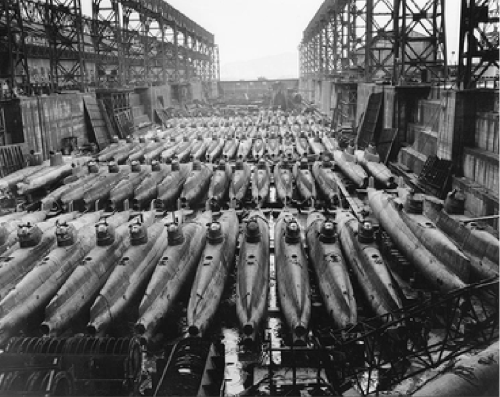
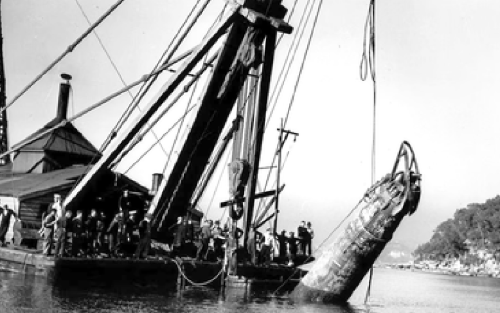
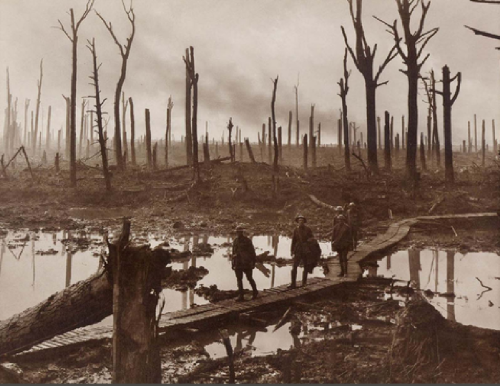
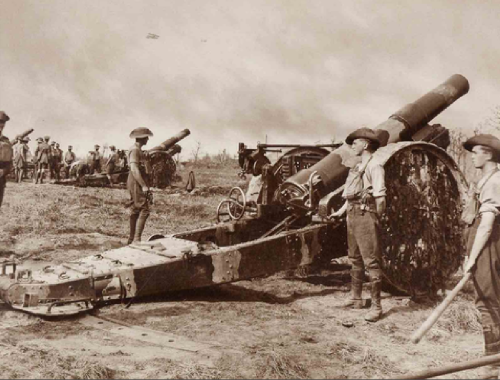
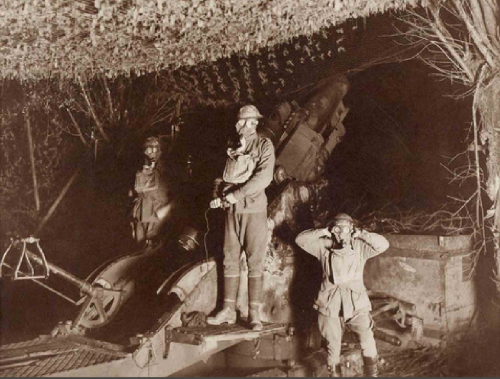
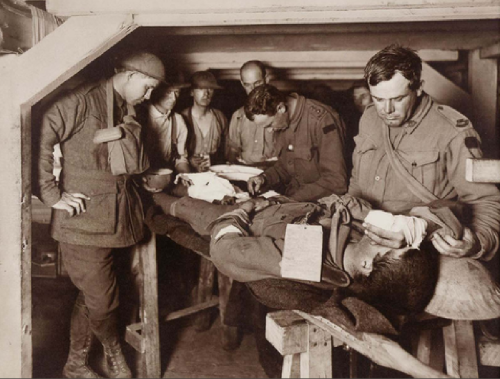
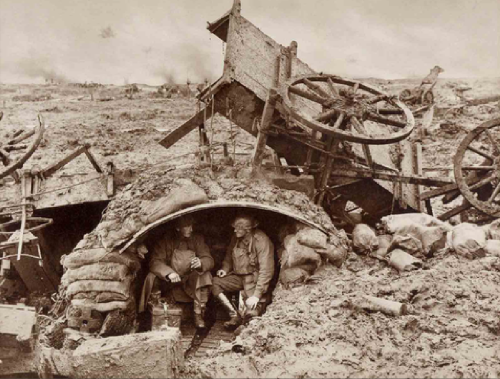
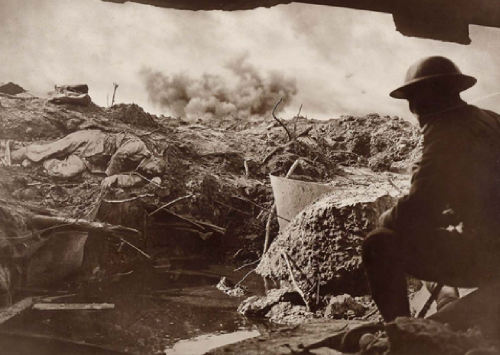
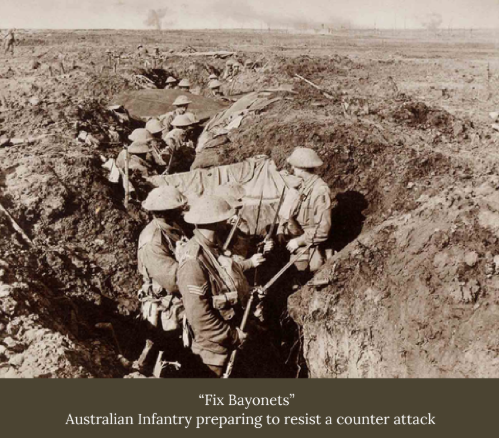
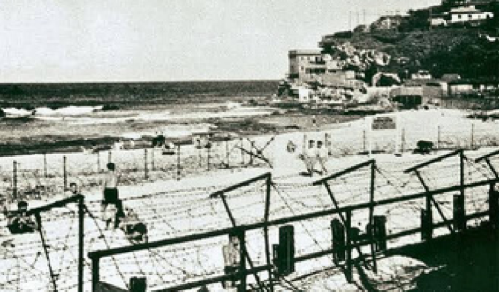
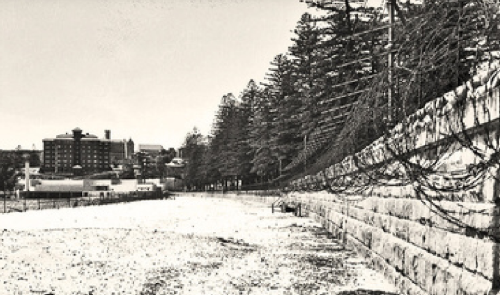
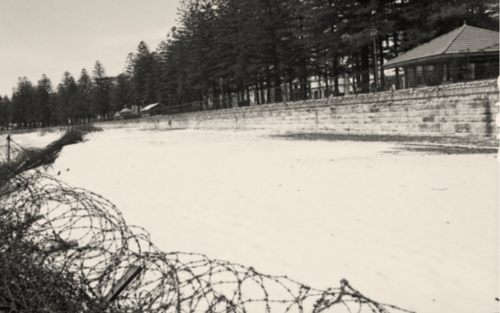
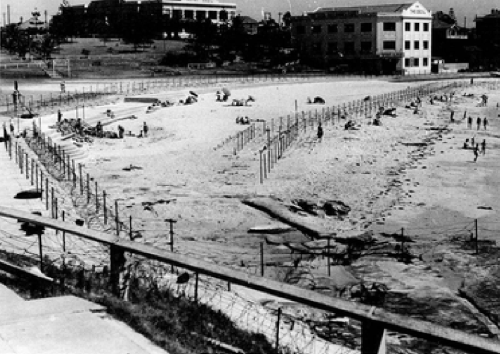
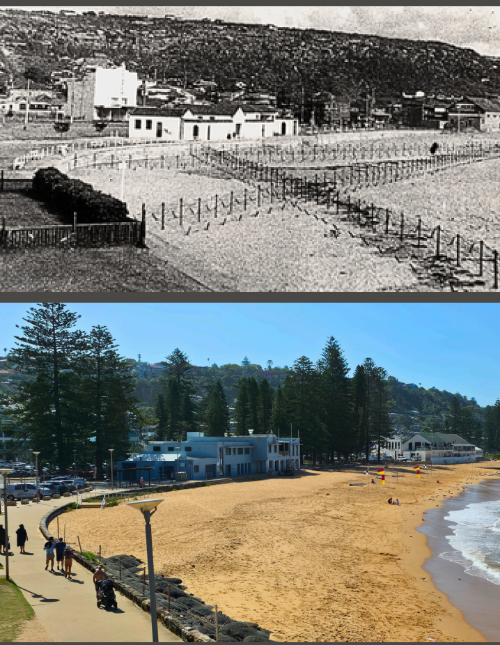
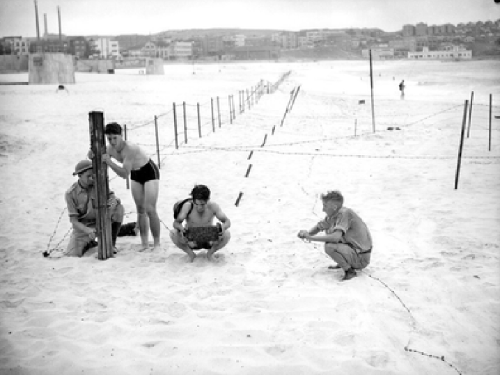
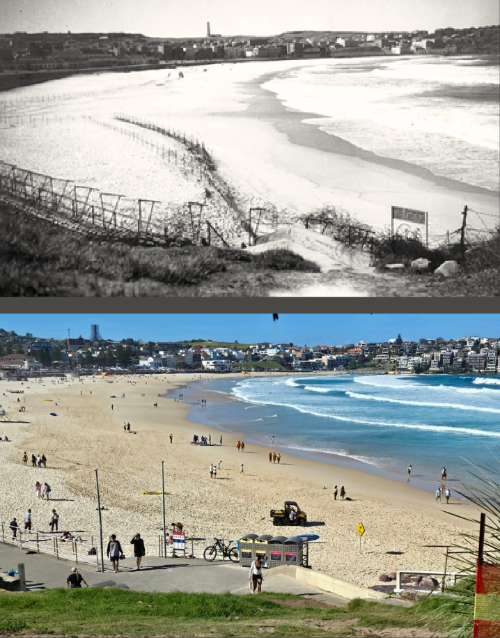
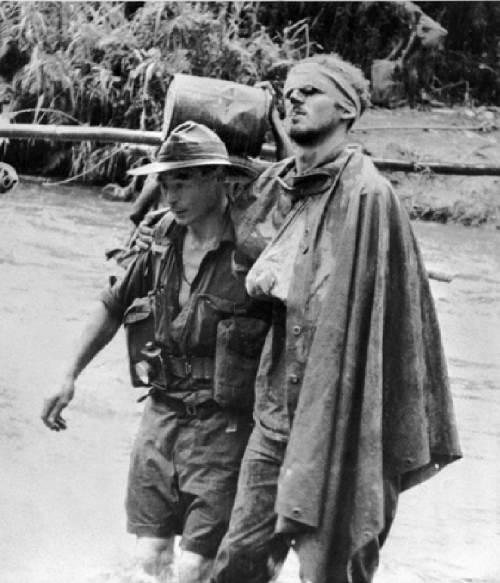
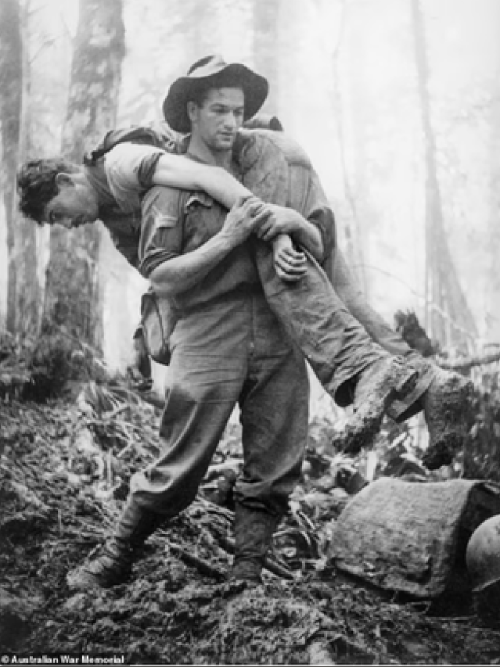
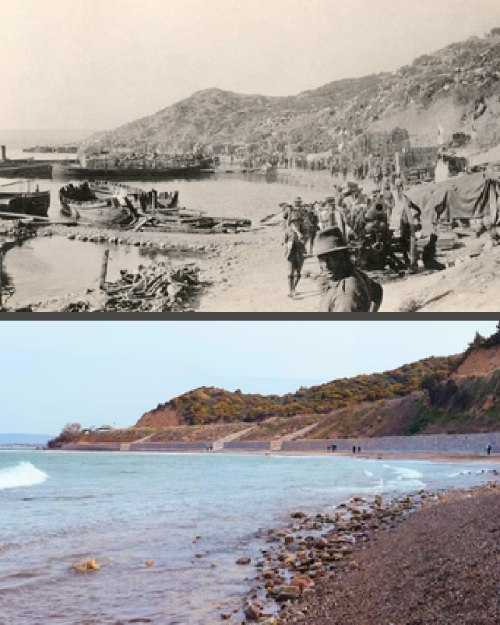
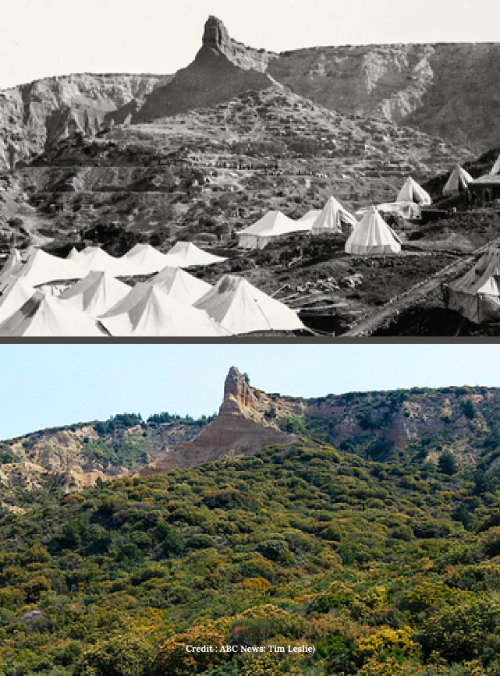
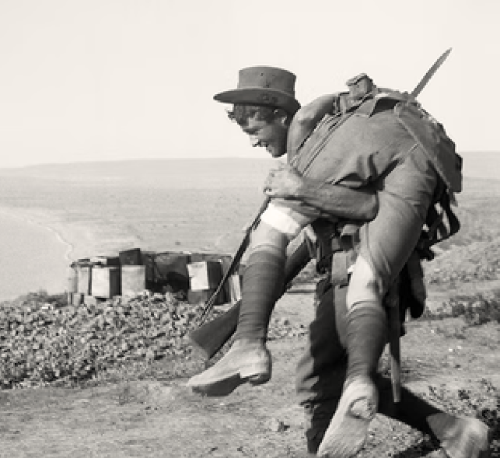
A haunting photo of Anzac Day 1930. Look closely at the sea of women in the crowd — so many dressed in black, their faces etched with quiet sorrow. These were the widows, mothers, sisters, and girlfriends of the approximately 61,000 Australian men who never came home from World War I, taken from a young nation of fewer than 5 million. So many of them would spend the rest of their lives alone, hearts forever broken, dreams of marriage, children, and growing old together shattered by a war that stole their beloved husbands, fiancés, and sweethearts. They carried that grief in silence for the rest of their days, their love buried on distant battlefields. And yet, as they gathered around the Cenotaph in Sydney's Martin Place in 1930, little did they know that just nine years later, World War II would erupt, claiming another 40,000 Australian lives. Lest we forget.Australian Commando Sergeant, photographed in the final moments before his execution by the Japanese in New Guinea on 24 October 1943. He was just 27 years old. Captured by New Guinean natives while on a reconnaissance mission, he was handed over to the Japanese and taken to Malol near Aitape, where he endured weeks of brutal torture. Just after 3:00 pm on that day, blindfolded, bound, and weakened by captivity, he was led to a beach and beheaded before a jeering crowd. The image, frozen in that final instant, was later recovered by American troops, a haunting record of a life cut short. Inset: Len Siffleet and his fiancée, Clarice Lane, at Circular Quay in 1941, standing before Customs House, bound for Manly on the ferry, a ritual observed by millions of Australians. A quiet, ordinary moment, two young lives filled with promise, unaware of the fate that lay ahead.Poster shows a nurse, with her arms outstretched, standing before a large red cross; in background a Red Cross hospital ship, ambulance, and field hospital - Published between 1914 and 1918Prisoners of the Japanese on the Thai Burma Railway. Photo: Australian War Memorial P00761.011HMAS Sydney arriving back to her home port on 10 February 1941, pulling into Sydney Cove, after a successful mission where she joined the British Mediterranean Fleet for an eight-month deployment, during which she sank two Italian warships. She would never see Sydney Harbour again. In November 1941, the proud ship and all 645 souls aboard vanished forever off the Western Australian coast, the single greatest loss of life in the history of the Royal Australian Navy.The haunting picture of the officers and crew of the Sydney being cheered as they marched down Martin Place and past the Cenotaph on 11 February 1941. Later that year, the Sydney was lost with all hands. Now every Anzac Day, we will remember them at the very Cenotaph they once so proudly marched past.Officers and crew of the Sydney being cheered as they marched past Sydney Town Hall on 11 February 1941.Family and friends welcoming home the crew of the Sydney on 10 February 1941. One can scarcely begin to imagine the shattering grief that swept across the nation when the terrible news finally broke that the Sydney was lost with all hands in November later that year. Families, parents, widows, children, entire communities, and a country already at war were left reeling in heartbreak. Yet the agony was only just beginning. Just days later, on 27 November 1941, HMAS Parramatta was torpedoed by a German U-boat near Tobruk, taking another 138 brave lives. Then, barely a week after that, the Japanese struck Pearl Harbor, and the world descended even deeper into darkness. Australia was fighting for its very survival.The full complement of the officers and crew of the HMAS Sydney. Not a single soul would survive when she went down off the Western Australian coast.Top secret communication indicating that the Sydney had been lost.Sydney Cove, 3 March 1885. "Well done N.S.W. God speed", departure of the New South Wales Contingent for the Sudan War.Troops of the New South Wales Contingent marching from Circular Quay through the streets of Sydney in heavy rain, after their arrival home from the Sudan War. Australian War Memorial, 1885.Men of the Australian 6th Division returning from Wewak crowd the deck of HMS Implacable, 18 December 1945.The British aircraft carrier HMS Formidable limping through the anti-submarine boom in Sydney Harbour on 23 August 1945 for repairs in Sydney following a kamikaze aircraft attack. Note the blackened funnel.The deck of HMS Formidable after the kamikaze attack.The aircraft carrier HMS Formidable on fire after being struck by a kamikaze off Sakishima Gunto. She was hit at 1130 hrs, the kamikaze making a massive dent about 3 m long, 0.6 m wide, and deep in the armoured flight deck. A large steel splinter speared down through the hangar deck and the centre boiler room, where it ruptured a steam line, and came to rest in a fuel tank, starting a major fire in the aircraft park. Eight crew members were killed and forty-seven were wounded. One Vought Corsair and ten Grumman Avengers were destroyed.The U.S. Navy heavy cruiser USS Portland at the Cockatoo Island Dockyard, Sydney Harbour, in late December 1942, while under repair for torpedo damage received in the Naval Battle of Guadalcanal on 13 November 1942.1881 - Georges Head, overlooking the entrance to Sydney HarbourThe Japanese Imperial Navy submarine I-25 launching an E14Y seaplane in 1942, the type that conducted three reconnaissance flights over Sydney prior to the attack on Sydney Harbour. The I-25 was sunk by the American Navy on 24 October 1942 near Fiji, with all 100 men on board lost.A drydock at Kure Naval Base, Japan, 19 October 1945. There are at least four different types of midget submarines in this group of about eighty-four boats, though the great majority are of the standard "Koryu" type. The two boats at right in the second row appear to have an enlarged conning tower and shortened hull superstructure. The two boats at left in that row are of the earlier Type A or Type C design, as are a few others further back in the group. In total, the Japanese Navy built at least 800 "midget" submarines.The Japanese "midget" submarine M-22 being lifted from the waters of Sydney Harbour after the raid on the night of Sunday, 31 May 1942. It was located hiding in Taylors Bay at 5:00 am by HMAS Sea Mist and destroyed after being depth charged by HMAS Steady Hour. When the submarine was finally brought to the surface, it was discovered that the two crew members had shot themselves to evade capture.Photo collection of Australians at the Third Battle of Ypres (1917) by Frank Hurley.When Hurley arrived as a photographer at the Western Front, his rank was honorary captain, but the troops, seeing how he took risks to get his pictures, dubbed him "the mad photographer". His job was to document the war effort, provide images to the media, and capture the heroism of the Australians to show those back home.What he captured, however, was no less than hell on earth. He shot photographs of battles and their haunting aftermath and was horrified by the scenes of blood, death, and devastation that were so common on the Western Front.Bronte Beach 1942: Following the shelling of Bondi and Rose Bay by Japanese submarines in June 1942, defensive measures were placed on all Sydney beaches. At Bronte Beach, barbed wire covered the sand from the promenade to the surf. Searchlights were positioned on the hill at the northern end of the promenade and machine guns were placed in front of the Bronte Surf Life Saving Club and Bronte Baths.Manly Beach - Barbed wire entanglements during WW2Cronulla Beach - Barbed wire entanglements during WW2Collaroy Beach - Barbed wire entanglements during WW2Bondi Beach - Barbed wire entanglements being installed following the raid on Sydney HarbourBondi Beach - Barbed wire entanglements during WW2A wounded Australian on the Kokoda Track during WW2.Australian Corporal Leslie 'Bull' Allen carrying an American comrade in New Guinea in 1943.A view of Anzac Cove soon after the landing. A 6-inch 30 cwt howitzer and a collection of broken rifles are in the foreground; to the right are the flags marking the Casualty Clearing Station. In the middle distance, a couple of water carts have been parked in the water. Boxes of stores are being unloaded from a barge, against a pier. The photo's original inscription reads: "Anzac Cove. A shell torn strip of beach". (John Arthur Lovett: Australian War Memorial, P11232.003)An encampment at Gallipoli in October 1915, with the 'Sphinx' or the 'Cathedral' in the background. The front tents were occupied by the No. 1 Clearing Hospital.An Australian serviceman carrying his wounded mate at Gallipoli, which sums up so much of the Anzac Spirit: you never let your mates down.
Thought for the Day
“They shall grow not old, as we that are left grow old: Age shall not weary them, nor the years condemn. At the going down of the sun and in the morning We will remember them.” – Laurence Binyon
Craig Kelly was a Liberal Member of Parliament (2010 - 2022) representing the seat of Hughes. He quit the Liberals in 2021 over their failure to defend liberties during COVID. He currently serves as Director of the Foundation for Economic Education.
The Australian War Memorial was built to honour those who served Australia, not to become another battleground in the campaign to rewrite the nation’s history.